Primal Future Now Music presents
Jonathan Glasier
Shannon Michael Terry
Process — Tools — Utility
The Players
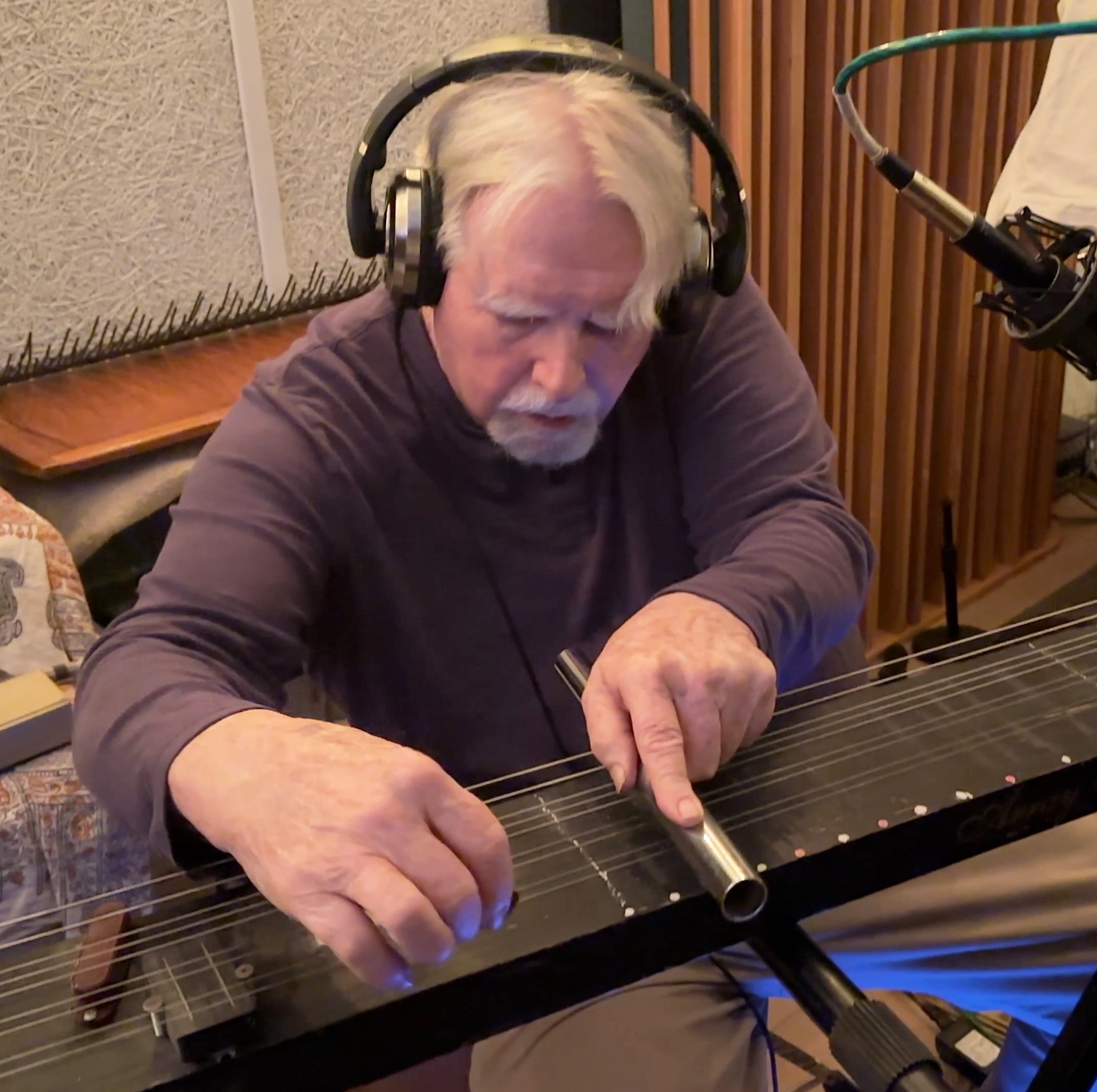
Jonathan Glasier
When I was three years old microtonal legend Harry Partch was living in our garage with his instruments in El Centro, CA. That opened my ears to a different kind of music, one that would shape my artistic destiny. Later I would become Partch's assistant during his residency at UCSD. It was there I realized that the 12- tone system could only pull me so far.
In my late teens, I began a journey of improvisation with my father, John S. Glasier. Playing guitar and piano along with his violin and viola, we captured our moments on a trusty Sony reel-to-reel. About 30 tapes remain, documenting the co-creative bond that flourished until his passing in 1985—a connection deeper than words can express. Following that loss, weaving through the musical landscape in search of a kindred spirit to share that flame, I found that spark in Shannon Michael Terry.
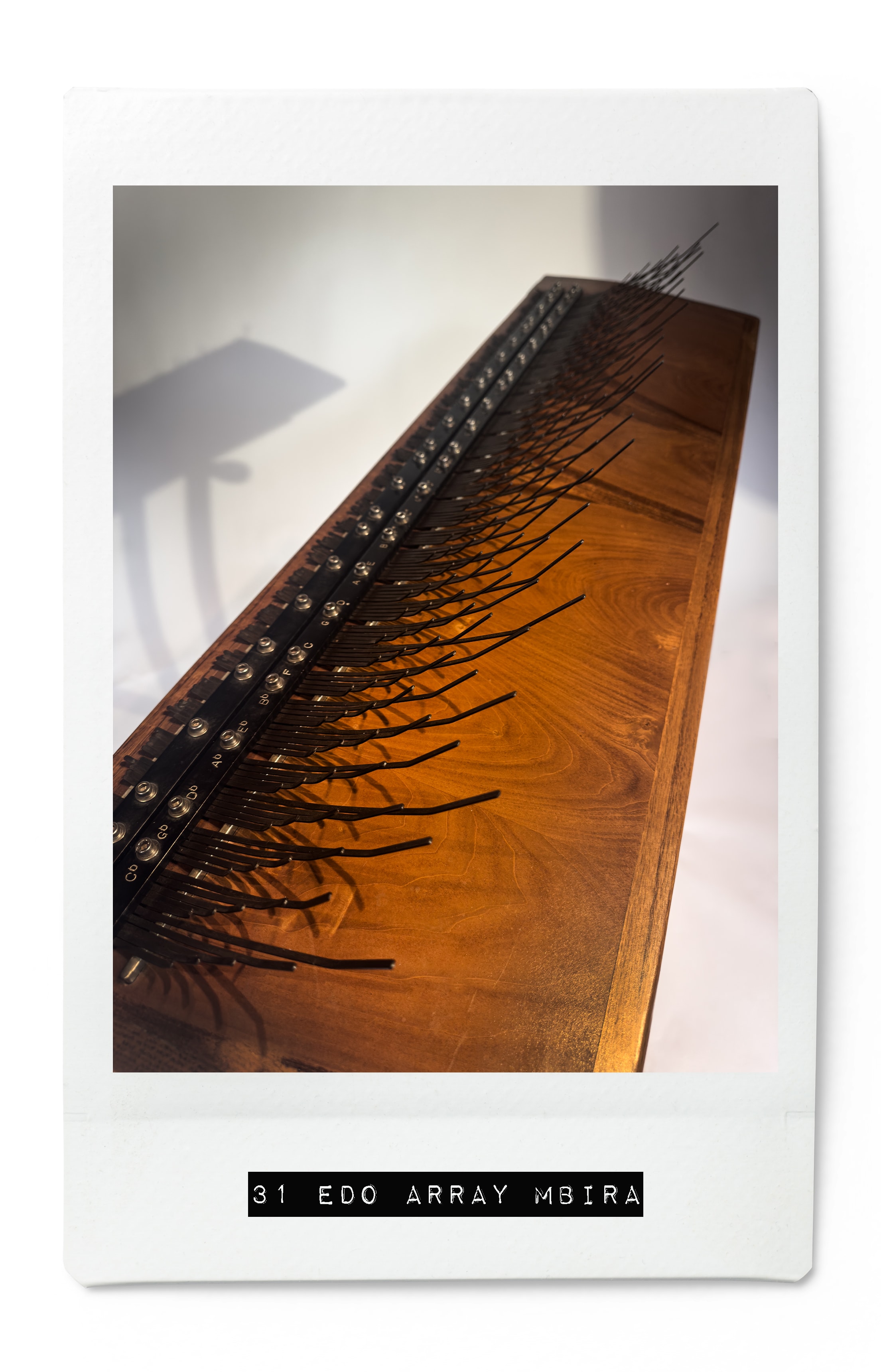
After UCSD I met with students Tom Nunn, Prent Rodgers to form the ID (Improvisation Development) Project. We experimented with found objects and welded metal instruments inspired by Richard Waters and his Waterphones. Branching out microtonally brought me face-to-face with my microtonal mentors—Ivor Darreg and Erv Wilson. During this time I made a Harmonic Cannon, a 31 EDO Tubulong and refretted guitars to 17, 19 and 31 equal divisions of the octave. The array music system was presented to me by inventor Bill Wesley in the late '80s. I commissioned Bill to craft a 12-tone Array Mbira and as my interest in microtonality grew, a 31-tone Mbira was also realized.
After attending a conference on 31 tone music in 1976, I realized there was a need for these new musical ideas to be shared with its growing audience. I launched Interval magazine (1978-1987) along with opening a non-profit foundation and experimental arts center, the Sonic Arts Gallery, dedicated to music performance, experimental instruments and microtonal exploration.
—Jonathan Glasier
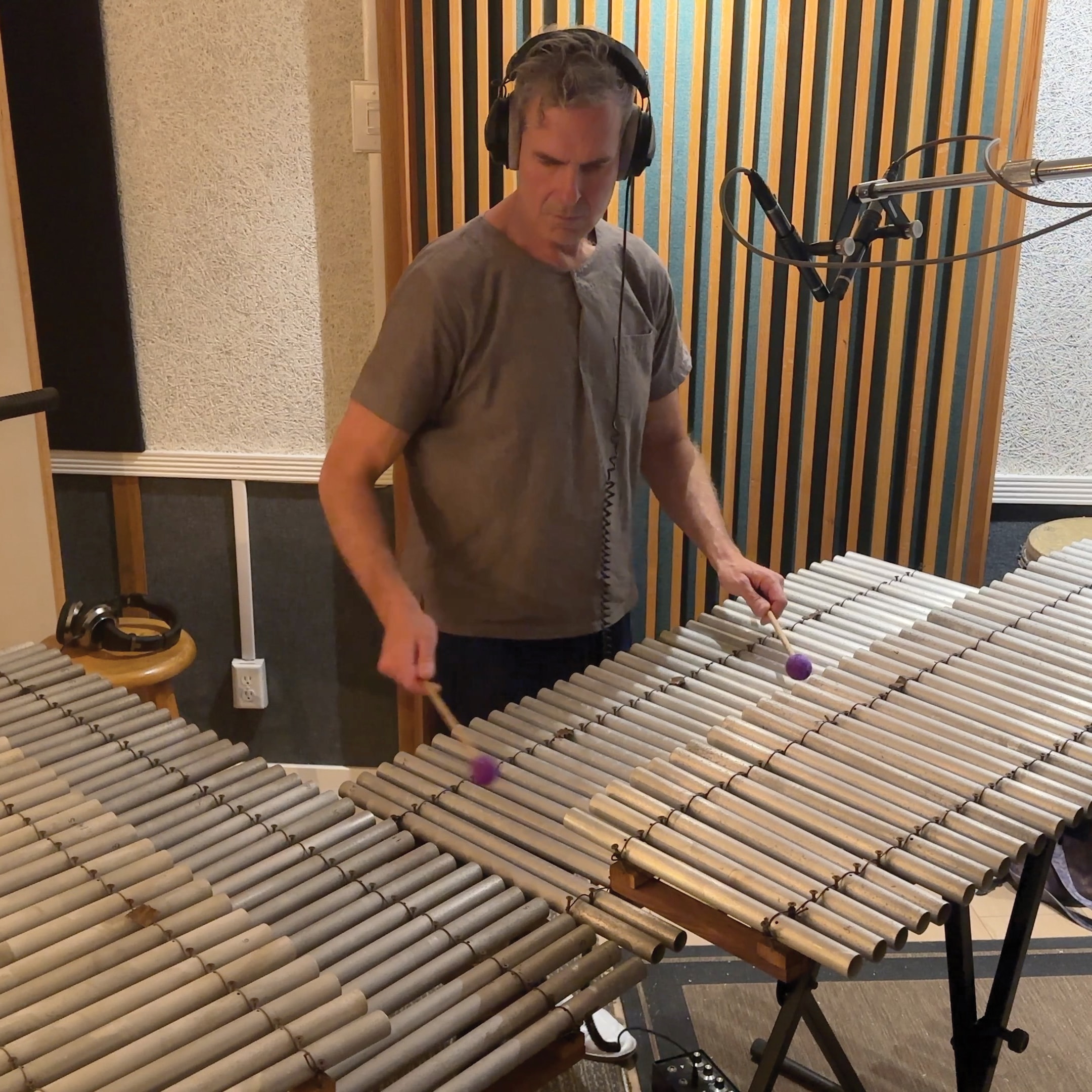
Shannon Michael Terry
In the gritty, emotional haze of '94, I moved to San Diego in search of creative direction. A week into this new chapter I was at a party when the front door blew open, and in walked a stranger, cutting the air with a hand-held wave of fate. He handed an instrument to me, a challenge wrapped in mystery. "Play this," he said. I said, OK and started plucking at its metal teeth. Little did I know, this contraption was an Array Mbira, and the guy was, music connector and instrument alchemist Jonathan Glasier.
What unfolded was a raw, magnetic connection. With every note, it became clear: this was my sound, I looked up at him and said man, this is my instrument. Jonathan would become a major influence musically, introducing me to microtonal music, instrument building, new instruments, overtone singing, improvisation and other musical masterminds like Bill Wesley, the inventor of the Array Mbira.
San Diego ran its course and I moved back to Los Angeles where I created the Open Door Orchestra. The Array Mbira became my main instrument In this brutalist symphony, bringing ancient and new instruments together, arranging and hearing beyond the confines of traditional music structures.
Fast forward to 2025, Jonathan commissioned me to resurrect some of his dormant instrument treasures. We dove into the depths of sound, chronicling these historical auditory gems by recording our improvisations. Road trips to San Diego became my ritual—recording gear in tow, we set up shop in his Ocean Beach dining room. Dubbed the "OB Culinarium," it was where we stirred up both sonic grooves and gourmet bites. Our connection transcended language; we didn't just play—we conjured, telepathically vibing off one another, lost in the music's raw message.
The recording sessions were telepathic, blurring the lines between trance-like playing and pure creativity. In the end, we popped into LA studios with engineers Keith Jones and Andrew Bush to add some hi-fi sheen to our sonic explorations. And just like that, Process - Tools - Utility emerged from the underground.
This album is a tapestry woven from improvisation and threads of composition—its spontaneous riffs, twists and turns—echoing the spirit of that fateful encounter.
—Shannon Michael Terry
Listen
KPFK Global Village Interview
John Schneider speaks with Jonathan Glasier and Shannon Michael Terry about Process • Tools • Utility, their three-decade collaboration and the instruments that shaped the project.
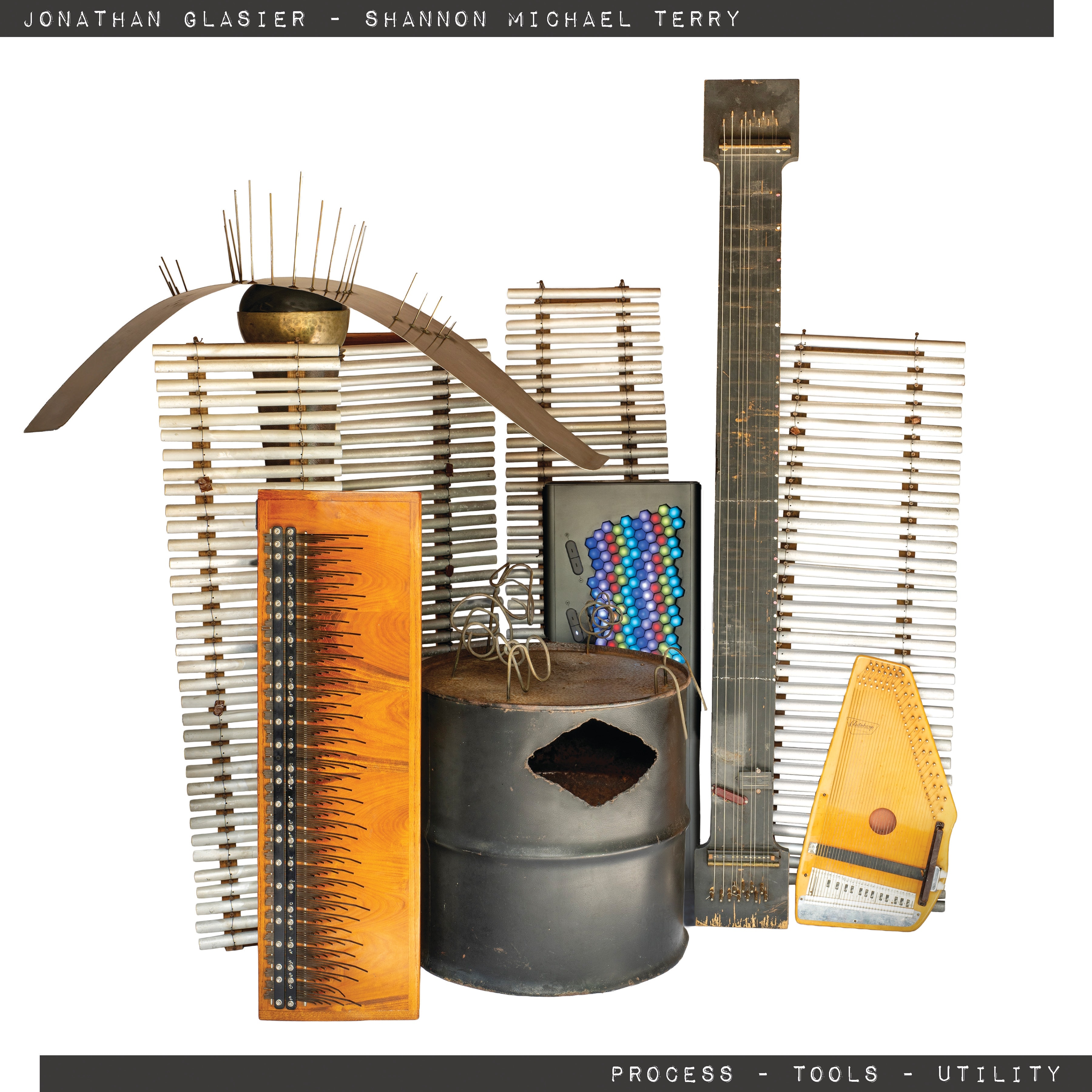
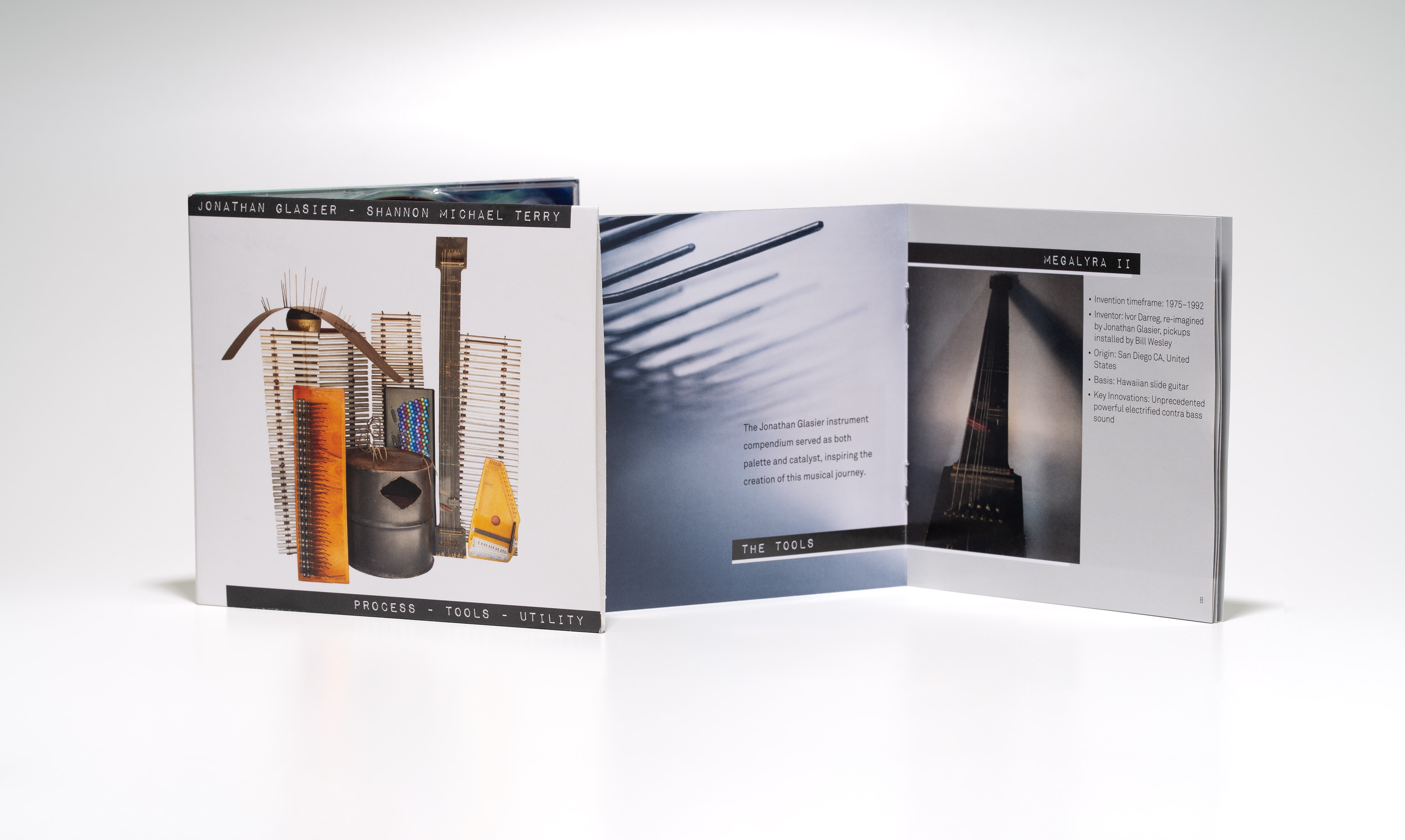
The Jonathan Glasier instrument compendium served as both palette and catalyst, inspiring the creation of this musical journey.
The Tools
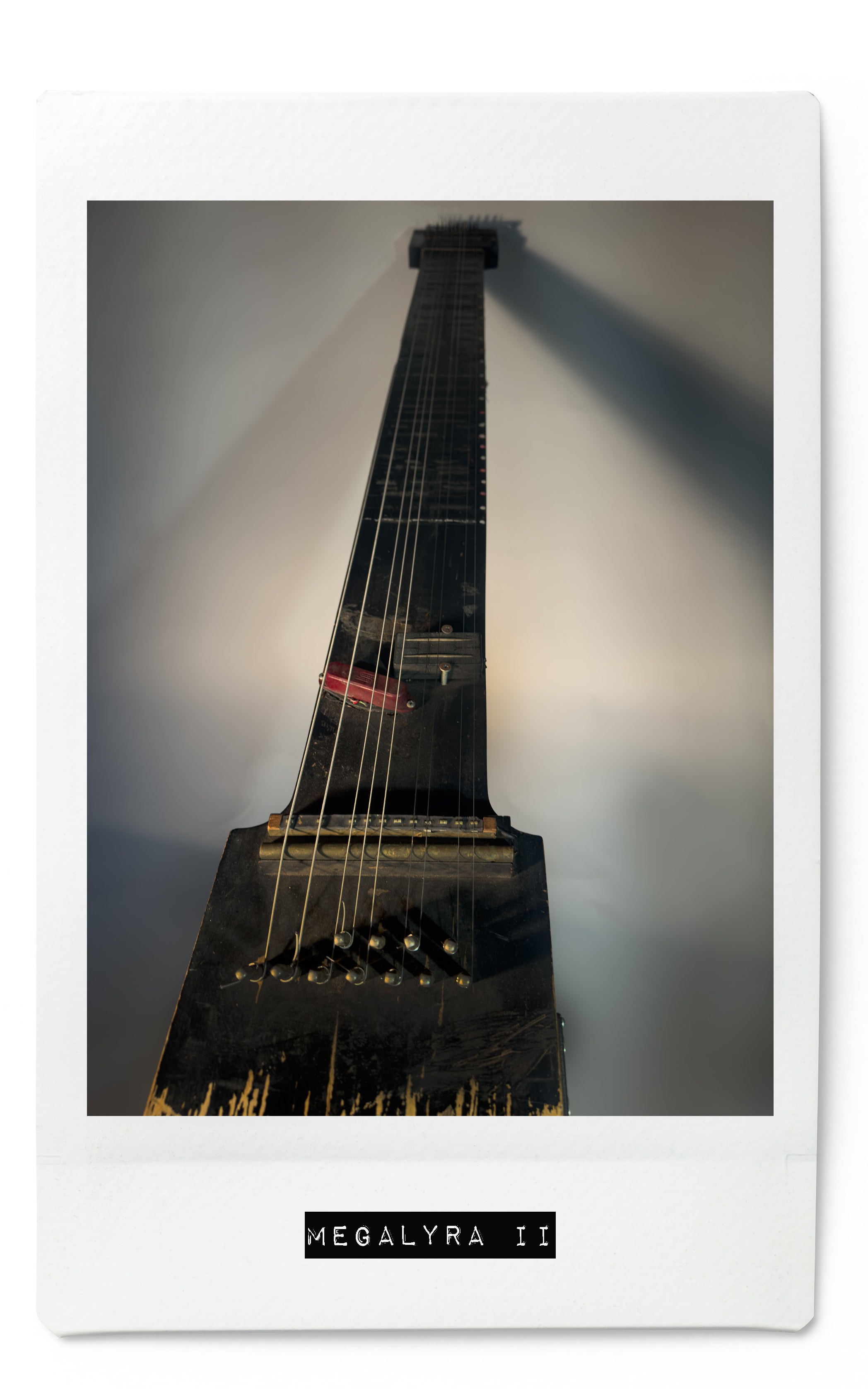
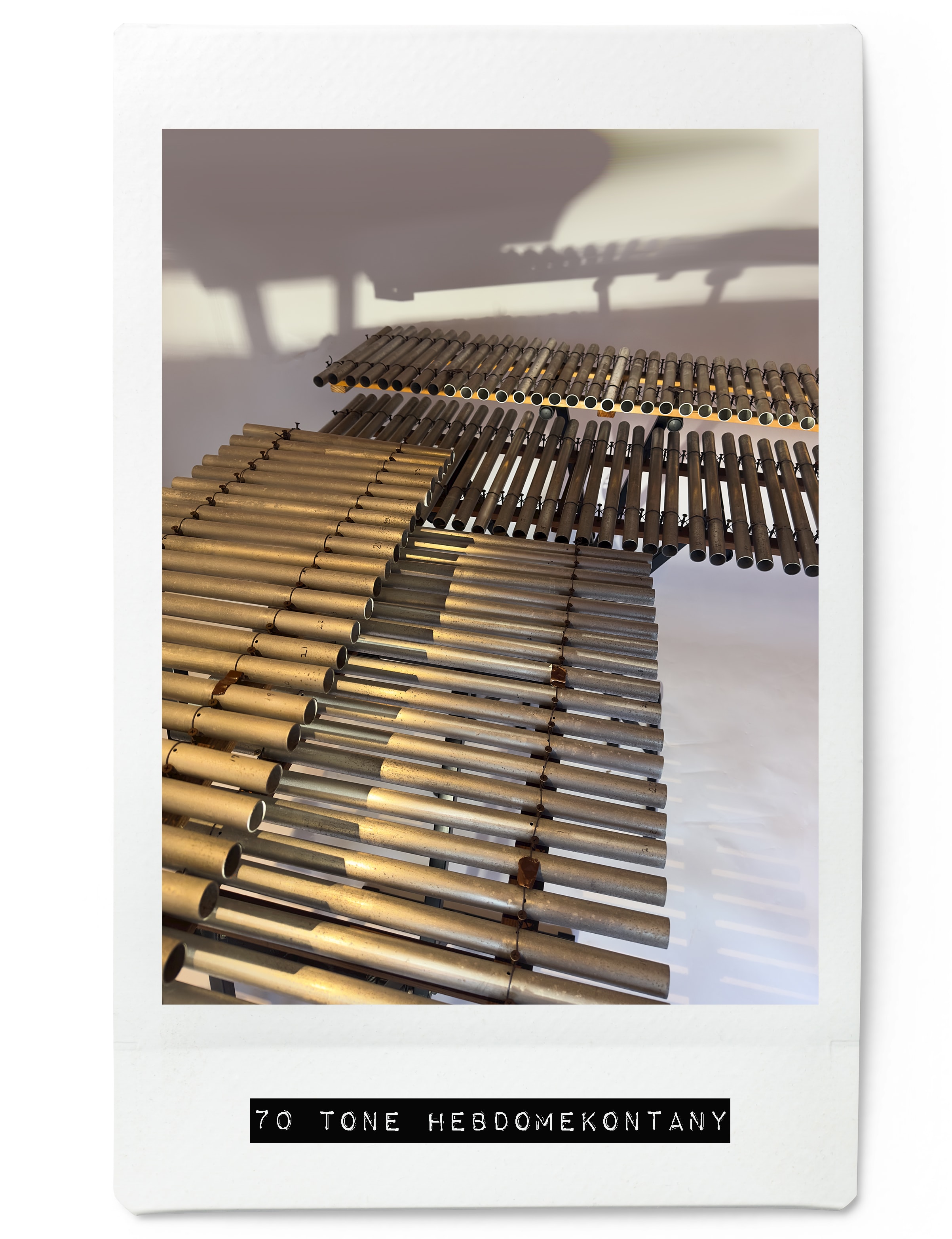
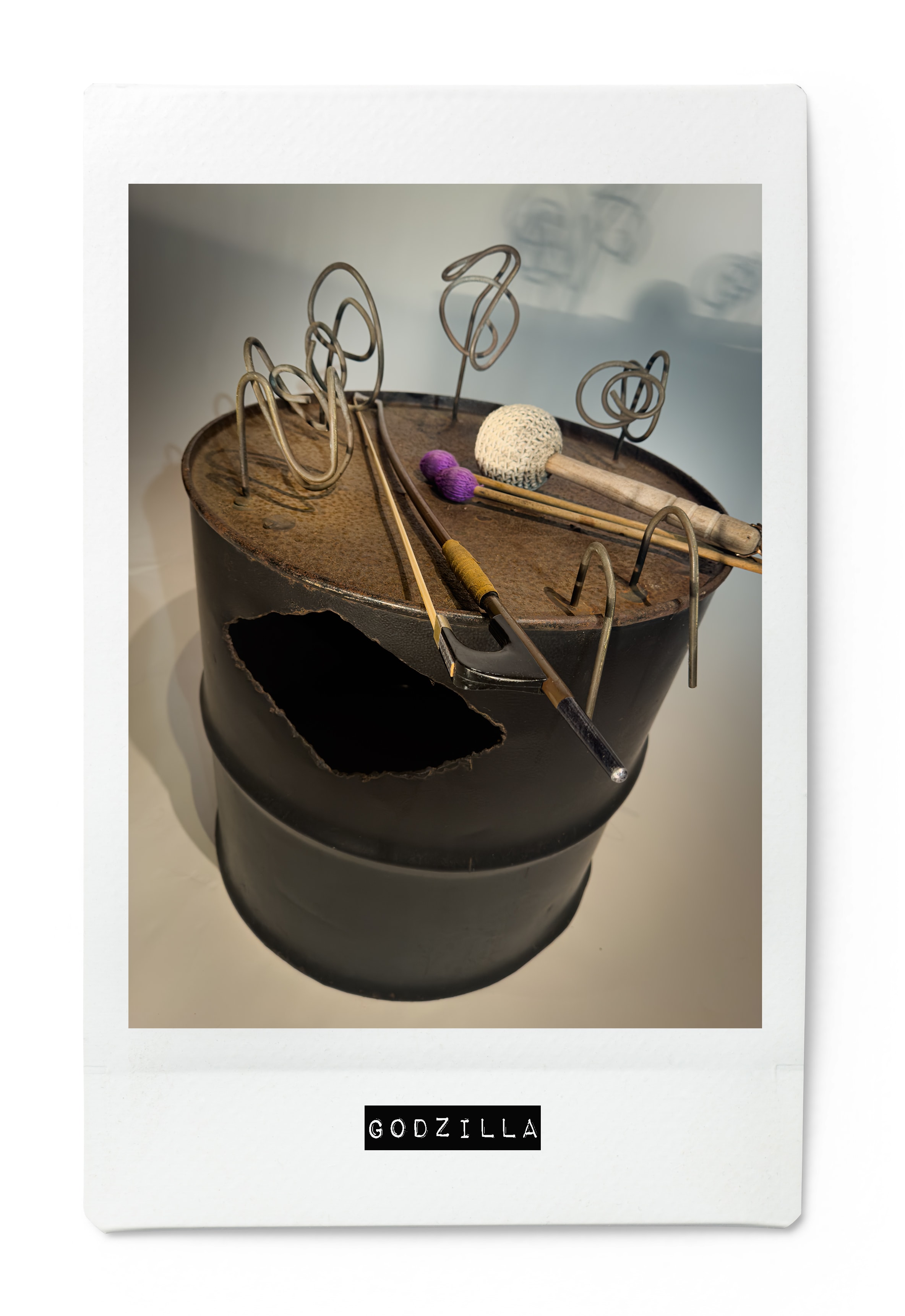
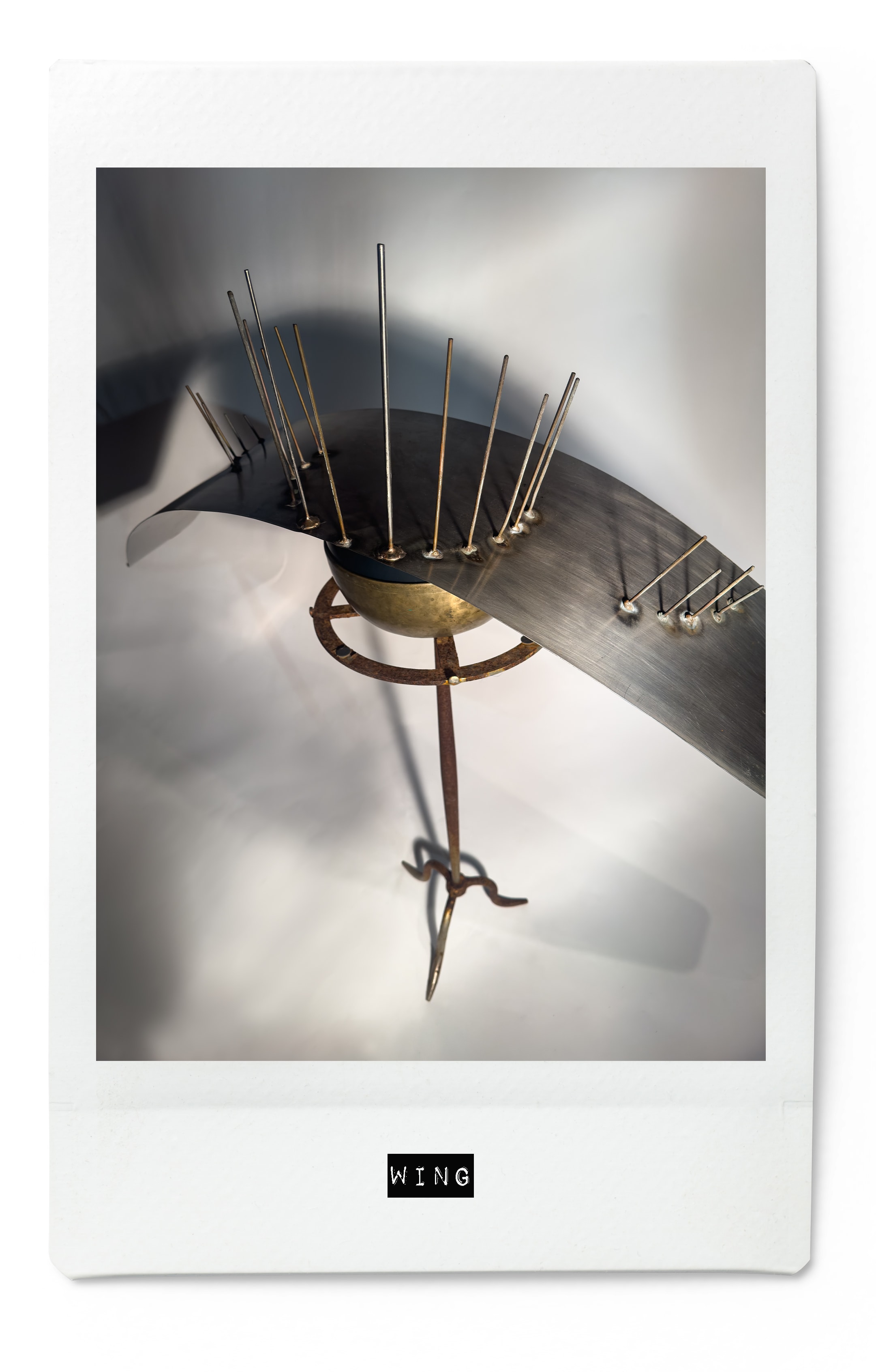
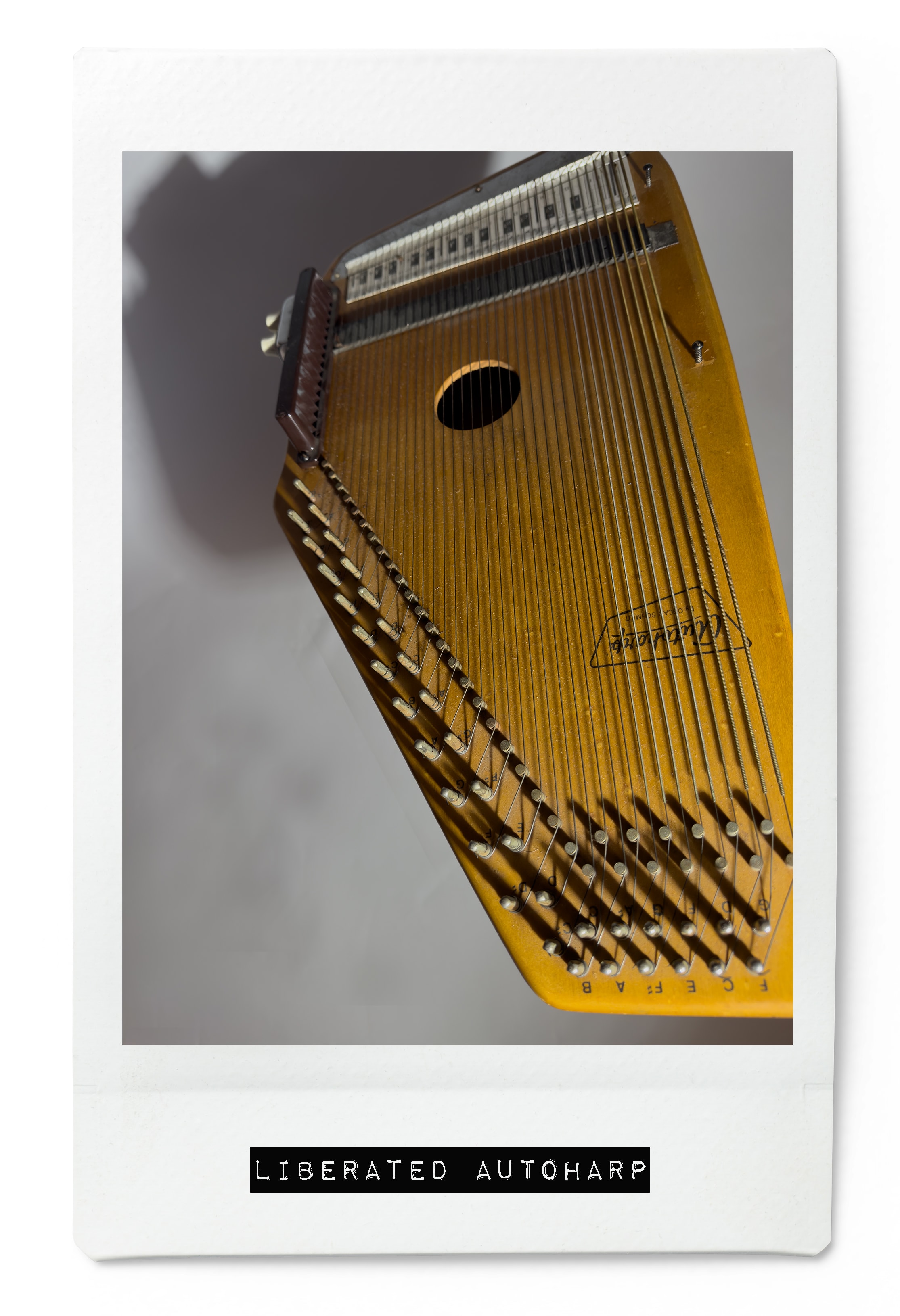
Tap any instrument to reveal its history.
The Process
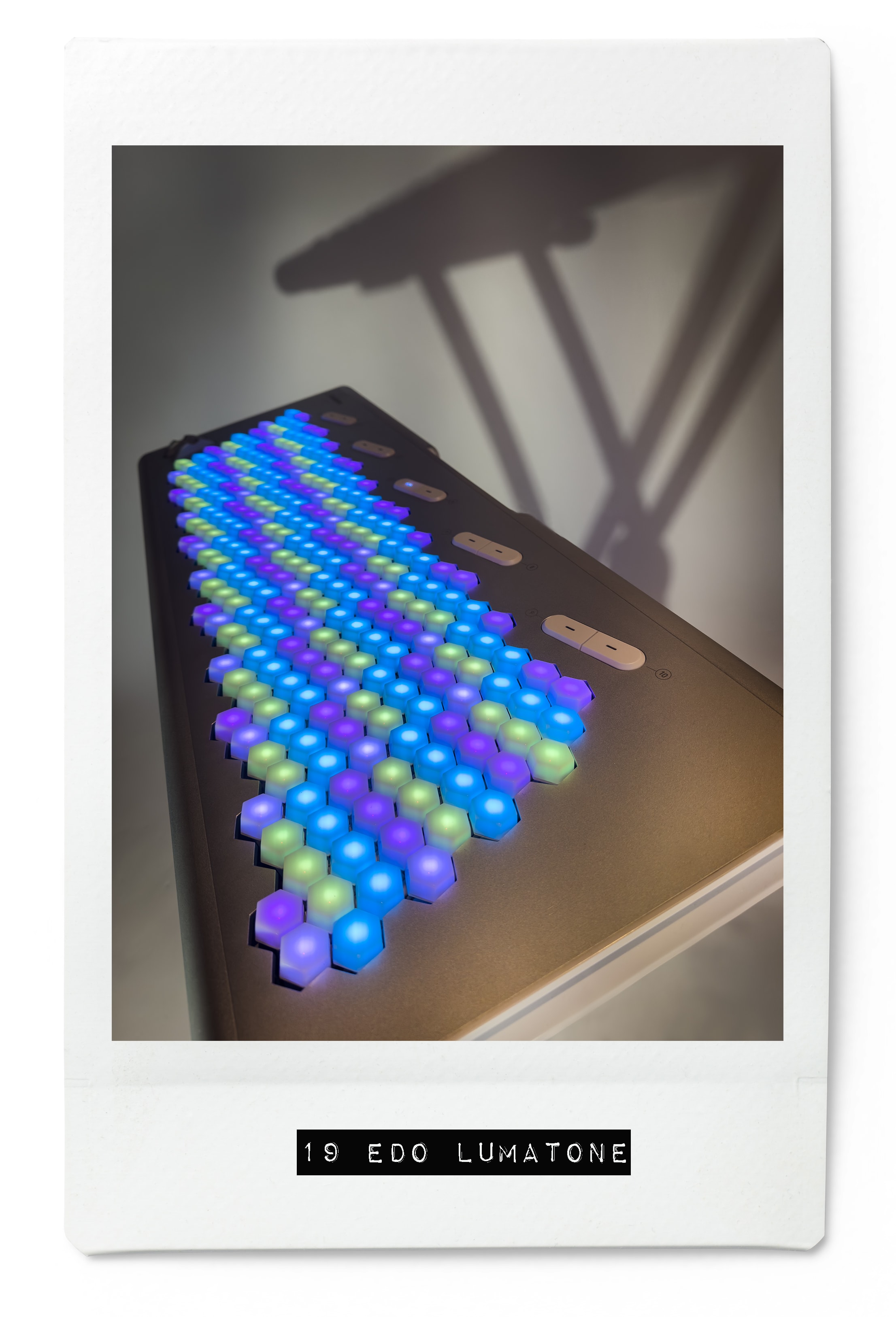
If the music of Jonathan Glasier and Shannon Michael Terry resembles something at once ancient and futuristic, perhaps it's because the past and the future both share an endless capacity for surprise. They are, however much we study or prepare for them, somehow elusive. Yet for all their mysteries neither is entirely unknowable; the past maps the future, even if the cartography is frequently hard to read; and in the past lie futures, both realized and unrealized. Glasier and Terry, long time students of microtonality and its exotic bespoke instruments, not only know a thing or two about half-lost pasts and futures, for this album they've excavated the physical materials of which they're made. On Process - Tools - Utility the song titles function like an open book; a history, or perhaps even a recipe, if you're looking to join in the fun. They tell you where they come from even as they push onward to somewhere new. Jonathan Glasier was a child when he first laid hands on the strange microtonal instruments made by family friend Harry Partch. By the mid 1960s he was the composer's assistant and a member of the Partch Ensemble; by the late 70s he was a founding editor of Interval, the San Diego based journal that championed the work of Partch, Ivor Darreg, Erv Wilson and other theorists, composers, improvisors and instrument builders of the West Coast microtonal movement. In 1994 he introduced Shannon Michael Terry, a Los Angeles based musician and visual artist, to the ideas and instruments he'd collected along the way. They've been improvising together ever since, and this record is the most thorough exploration of the tools and ideas they've picked up over the decades. This collection of tools defines and shapes the record as much as its musicians, the instruments - each with its own distinct character and history - setting sonic parameters for the unpremeditated free improvisations that fill its grooves. That's the Megalyra II, a massive slithering behemoth of the microtonal swamp, descended from Ivor Darreg's original, emitting bluesy moans and ominous drones on several tracks; elsewhere Wilson's imposing 70 tone Hebdomekontany evokes sacred bells and alien transmission from its tuned pipes; Godzilla, an oil drum fitted with bronze rods that emerged from the ID Project - a 70s era improvisational ensemble Glasier shared with Tom Nunn and others - lends its bellows, belches and roars while Nunn's Wing scrapes, peals and sings above. Though Terry's preferred instrument is the 31 tone to the octave, 120 note electro-acuostic Array Mbira - a soundboard orchestra descended from Bill Wesley's original 1970s design - his use of subtle electronic beats nods towards more contemporary electronic sounds, as does Glasier's use of the Lumatone, a glossy sounding electronic isomorphic keyboard, Originally envisioned by Siemen Terpstra, that Glacier programmed to play in 19- tone equal temperament. It is, if not the future of microtonality, one of many potential ones. For all the unusual instrumentation and microtonal tunings, and for all the under-heralded history that these two players draw from, what strikes me as most remarkable about these performances is their freedom and egolessness, which results in a genreless soundscape that might have been generated by one hydra-headed player or by a dozen. Above all, I hear the instruments and their sounds speaking for themselves under the coaxing of sensitive players. Process - Tools - Utility represents music making at its most grounded and pragmatic, even as it evokes the cosmos.
— Bill Perrine
Author, Alien Territory: Radical, Experimental & Irrelevant Music in 1970s San Diego
Limited Release
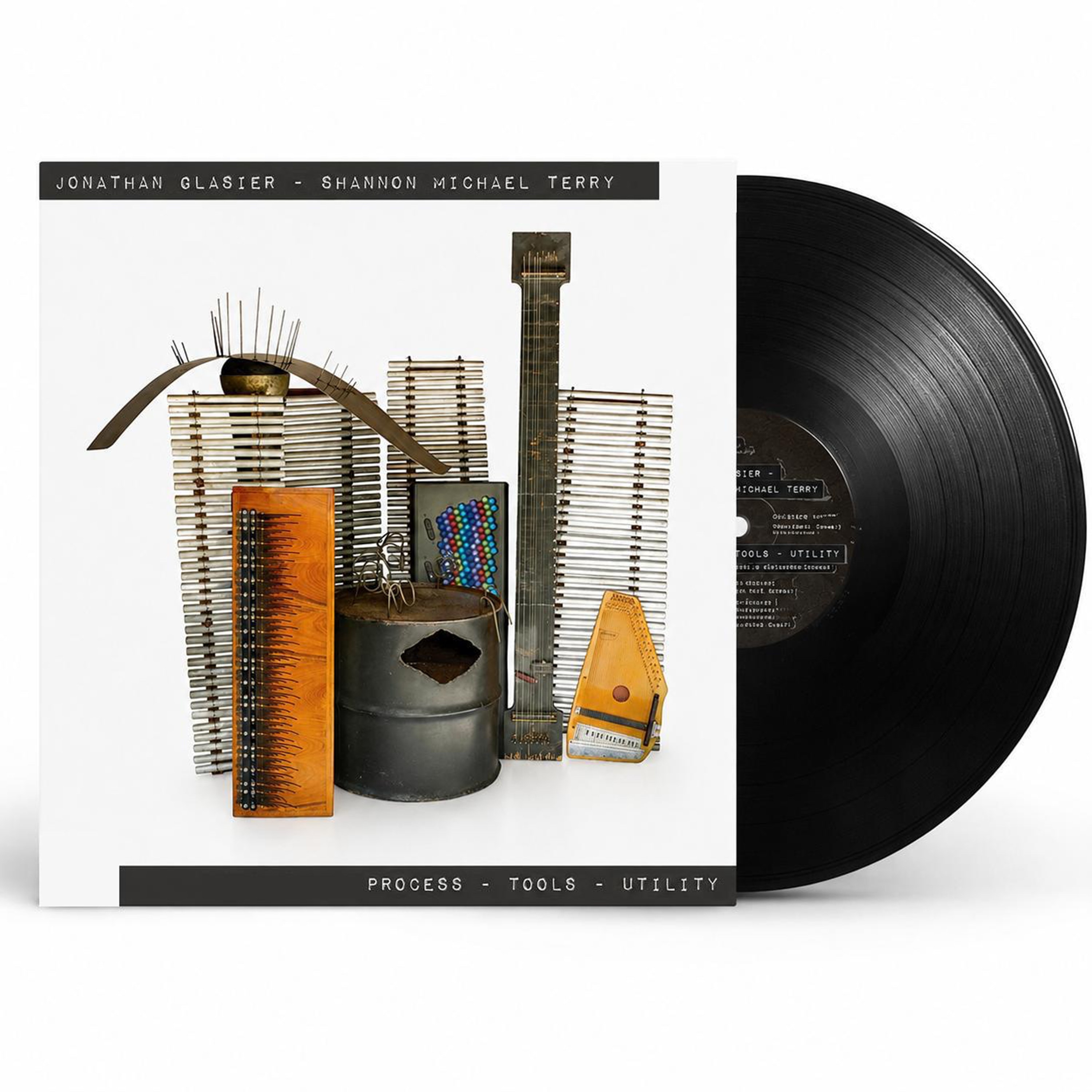
Order the vinyl and CD limited release of Process — Tools — Utility by Jonathan Glasier and Shannon Michael Terry. Meticulous high-fidelity recording, exquisite visual design, and the written word. Music, imagery, and story converge — packaged to tell the full story of this groundbreaking collaborative project.
Artists
Jonathan Glasier & Shannon Michael Terry
Album
Process — Tools — Utility
Label
Primal Future Now Music
Year
2026